
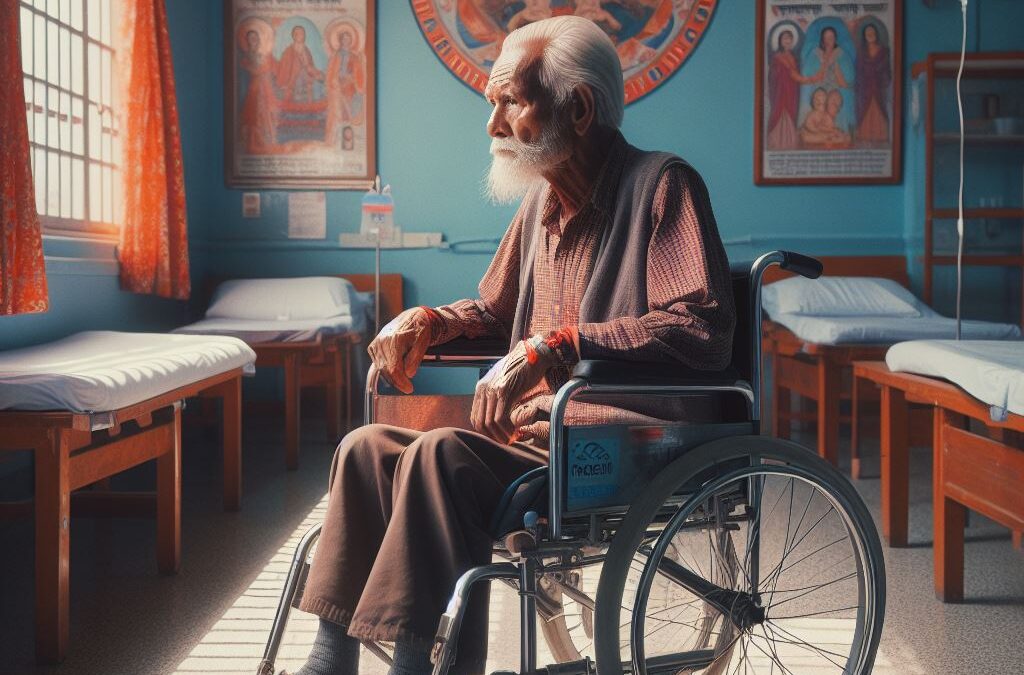
Brief Overview of Paralysis and Its Impact on Individuals
Paralysis, a loss of muscle function in part of your body, can be a life-altering condition. It can affect individuals both physically and emotionally, often leading to challenges in daily activities and overall quality of life.
Introduction to Ayurveda as an Ancient Holistic Healing System
Ayurveda, the science of life, is a holistic healing system that originated in India over 5000 years ago. It emphasizes balance in the body’s systems and harmony with nature.
Purpose of the Blog
This blog aims to explore Ayurvedic approaches to paralysis recovery, offering natural and holistic alternatives for rehabilitation and improved quality of life.
Understanding Paralysis in Ayurveda
Ayurvedic Perspective on the Root Causes of Paralysis
In Ayurveda, paralysis is often associated with an imbalance in the Vata dosha, which governs movement and circulation in the body. Factors such as poor diet, lack of exercise, and stress can aggravate Vata, leading to conditions like paralysis.
Role of Doshas in Paralysis and the Imbalance
Particularly, the Vata dosha, when imbalanced, can lead to dryness and constriction in the body, potentially affecting the muscles and nerves.
Identifying Individual Body Constitutions and Their Impact on Paralysis
In Ayurveda, each individual has a unique constitution or ‘Prakriti’ made up of the three doshas – Vata, Pitta, and Kapha. Understanding one’s Prakriti can help tailor treatments for conditions like paralysis.
Ayurvedic Remedies for Paralysis
Herbal Therapies
Ayurveda recommends several herbs for nerve regeneration and paralysis recovery, including Ashwagandha, Brahmi, and Guggulu. These herbs are known for their neuroprotective properties and can be taken in various forms, such as teas or capsules.
Lifestyle Modifications
Adopting an Ayurvedic daily routine or ‘Dinacharya’ can help manage paralysis symptoms. This includes regular exercise, a balanced diet, and adequate sleep. Specific yoga postures and pranayama exercises can also provide relief from paralysis symptoms.

Ayurvedic Therapies
Ayurveda offers therapies like Panchakarma for detoxification and nerve rejuvenation. External therapies, such as the application of herbal oils or massages, can provide targeted healing.
Prevention and Long-term Well-being
Maintaining overall health through Ayurvedic principles can help prevent secondary complications post-paralysis. This includes following a balanced diet, leading an active lifestyle, and managing stress. Incorporating Ayurvedic practices into everyday life can contribute to long-term well-being.
FAQs
Is Ayurveda a scientifically proven method for treating paralysis?
While Ayurveda has been practiced for thousands of years and is valued for its holistic approach, it’s essential to note that scientific evidence on its effectiveness in treating paralysis may vary. Consultation with healthcare professionals is advised for personalized advice.
How can I determine my unique body constitution in Ayurveda?
Ayurveda recognizes individual body constitutions or ‘Prakriti’ based on the dominance of Vata, Pitta, and Kapha doshas. Consulting an Ayurvedic practitioner who can assess your characteristics, lifestyle, and health history is the best way to determine your Prakriti.
Are Ayurvedic herbal therapies safe for paralysis recovery?
Many Ayurvedic herbs like Ashwagandha and Brahmi are known for their potential benefits in nerve regeneration. However, it’s crucial to use them under the guidance of a qualified Ayurvedic practitioner to ensure safety and effectiveness.
Can Ayurveda prevent complications after paralysis?
Ayurveda emphasizes overall health maintenance to prevent secondary complications post-paralysis. Adopting a balanced diet, active lifestyle, and stress management, as per Ayurvedic principles, can contribute to long-term well-being.